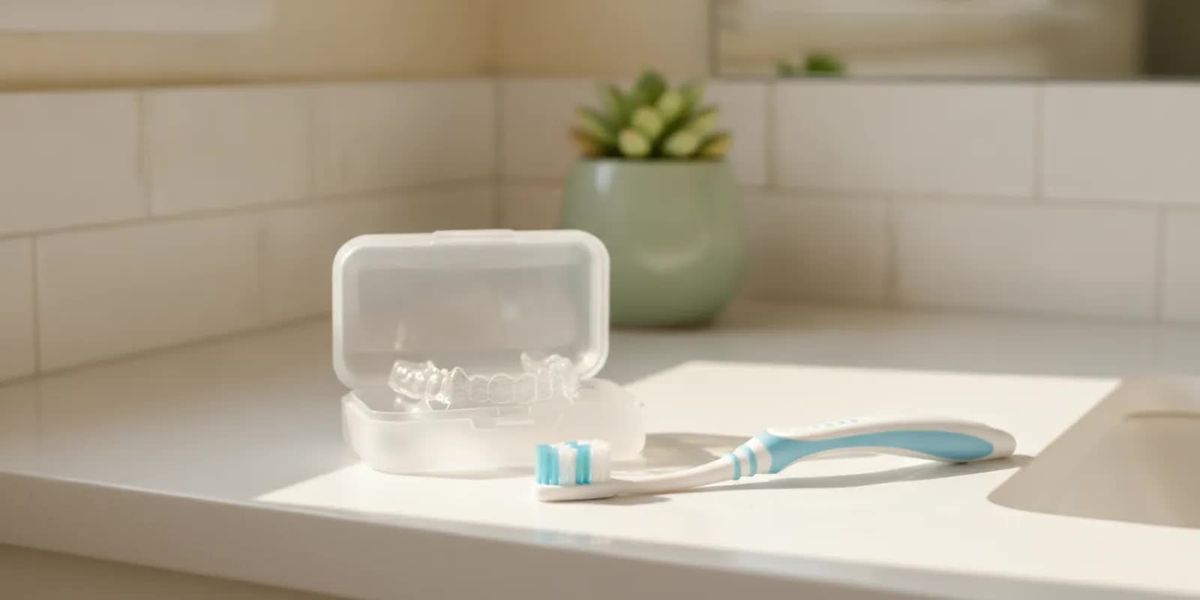
Finishing aligner treatment is an exciting milestone, but it is not the end of caring for your new alignment. Retainers after Invisalign help hold teeth in their positions while the tissues around them adjust. The right appliance, wear schedule, and follow-up plan depend on your teeth and your clinician’s instructions. Here is what to expect and how to respond if something goes wrong.
Call us to discuss your retainer
Why are retainers part of aligner treatment?
Aligners gradually guide teeth toward planned positions. After active movement ends, teeth can still be inclined to shift. The tissues around teeth need time to adapt, and everyday forces from chewing and contact between teeth continue. A retainer helps maintain the alignment achieved during treatment. It does not actively complete the same job as a sequence of treatment aligners, and it cannot guarantee that teeth will never move.
Retention is a continuing part of orthodontic care, not simply an optional accessory handed over at the last visit. Your treating dentist or orthodontic provider will tell you when to start, how frequently to wear the appliance, and when the plan should be reviewed. Instructions vary because people begin with different tooth positions, treatment details, bite relationships, and retainer types. A schedule that worked for a friend is not a substitute for the instructions given for your own case.
Think of finishing aligner treatment as a transition between two phases. The active phase moves teeth; the retention phase is intended to help preserve the result. You may have questions about how long that phase lasts, whether the schedule changes, or what to do when travel or illness interrupts the routine. Write those questions down and ask before changing your wear plan.
What should I expect at the end of treatment?
At the end of active treatment, your dental team can review the result and explain the retention plan. Ask which retainer is recommended, when to begin wearing it, how often to use it, and how to clean and store it. Also ask how the provider wants you to respond if the appliance is lost, cracked, uncomfortable, or no longer seats as expected. Getting those details in advance can make a problem less stressful later.
Your retainer may be made from a scan, an impression, or another record of your teeth, depending on the provider’s process. Its fit corresponds to your teeth at a particular point in treatment. This is one reason an old appliance should not automatically be treated as an appropriate replacement if your current one goes missing. A clinician can advise whether a backup is suitable for you.
A new removable retainer may feel snug at first. Follow the provider’s directions about what sensation is expected and when to call. Snugness is not the same as an appliance that will not seat, causes significant pain, or needs to be forced into position. Do not bite hard to push it down, bend it, or try to reshape it with heat. If it does not fit as instructed, contact the dental professional managing your orthodontic care.
If another clinician supervised your aligner treatment, that clinician has the records and treatment plan needed to advise you about retention. If you are transferring care, ask what records, scans, or appliance details can be shared with your new dental provider. A clear handoff can help the next clinician understand what was done and what follow-up was planned. You can read more about the practice and its team on the about us page.
Which kinds of retainers may be used?
Retainers can be removable or fixed. A removable clear retainer is a thin, transparent tray that fits over the teeth. Some removable appliances use a wire-and-acrylic design. A fixed retainer is a small wire bonded behind selected teeth. Each type has different cleaning and handling needs, and not every type is appropriate for every person.
| Retainer type | How it is used | Everyday care considerations |
|---|---|---|
| Clear removable retainer | Placed over the teeth and removed according to the clinician’s instructions | Rinse and clean gently; store in its case when not in use; keep it away from heat |
| Wire-and-acrylic removable retainer | Placed and removed as instructed by the dental provider | Clean the wire, acrylic, and tooth-contact surfaces carefully; store it safely |
| Fixed retainer | Bonded behind selected teeth and remains in place | Clean around the wire and attachments; ask for help if a section becomes loose |
This comparison is general, not a recommendation for a particular appliance. The clinician can explain the benefits and limitations for your teeth, bite, oral hygiene routine, and ability to follow instructions. If you have a removable retainer, ask whether it should be taken out for eating and drinking and which beverages are appropriate while it is in place. Do not assume directions for one material or design apply to another. Learn about the practice’s range of care through its dental services overview.
How should I care for a removable retainer?
Follow the cleaning instructions provided for your specific retainer. Gentle handling and a predictable routine are useful. A removable appliance can be damaged by heat, rough scrubbing, or being left somewhere it may be stepped on or thrown away. You do not need complicated equipment to build good habits, but you do need to know which cleaning products are appropriate for your appliance.
Rinse it when you remove it. Use cool or lukewarm water to clear saliva and loose debris. Very hot water can distort some plastic appliances.
Clean it gently. A soft toothbrush can help clean surfaces. Use a cleanser only if your clinician says it is suitable for the retainer material. Abrasive toothpaste or household cleaners may scratch or damage some appliances.
Keep it in its case. Put the retainer in its protective case whenever it is not in your mouth. A case is safer than a napkin, pocket, countertop, or open bag.
Keep it away from heat. Avoid boiling water, dishwashers, hot cars, and other sources of high heat. Do not attempt to reshape a retainer with warm water or a hair dryer.
Protect it from pets and accidental disposal. Pets may chew an appliance, and a retainer wrapped in a tissue can be mistaken for trash. Make the case its usual place.
Clean your teeth before replacing it when practical. Follow your usual dental-care routine and your provider’s directions. Ask what to do if you cannot brush immediately after a meal.
Do not soak a retainer in a cleaning solution unless you know the product is approved for its material and the directions match your provider’s advice. If it develops a persistent odor, visible buildup, or a rough surface, ask what cleaning method is appropriate rather than increasing the strength of a cleaner or scrubbing harder. Make cleaning part of the regular routine rather than waiting for an obvious problem.
Check the retainer occasionally under good light. Look for cracks, rough edges, changes in shape, or areas that seem cloudy or damaged. A quick visual check does not replace a professional assessment, but it can help you notice a change early. Handle the appliance over a clean, safe surface so it is less likely to fall into a sink or onto the floor.
How do I care for a fixed retainer?
A fixed retainer stays bonded behind selected teeth, so it cannot be removed for ordinary cleaning. Food and plaque can collect around the wire or bonding material. Ask your dental team to demonstrate how to clean around it and whether a particular flossing method or cleaning aid is appropriate. Follow that demonstration rather than forcing floss or another tool into a tight space.
Pay attention to whether the wire feels different or a section seems loose. Do not pull, bend, or pry at it. Contact your dental provider and describe what you noticed. If a loose part rubs your tongue or cheek, mention that when you call. Do not assume that a wire still attached at one end is holding teeth as intended.
Routine dental visits are a good time to mention any change in comfort or cleaning. Ask whether the fixed retainer remains intact and whether your home-care technique is working. If you have a removable retainer as well, clarify how the two appliances fit into the same plan.
How often should I wear my retainer?
There is no single wear schedule for every patient. Some plans start with frequent wear and change later; other plans use different instructions from the beginning. Retainer type, how the teeth moved, your bite, and the clinician’s assessment all affect the recommendation. Follow the schedule you were given rather than using a general timetable found online or gradually reducing wear on your own.
Ask the provider to make the directions specific. Clarify whether “at night” means every night, whether the appliance should be worn during naps, and what to do if you expect to be unable to wear it for a period. If the plan is reviewed over time, find out when that review will happen and whether to bring the retainer. Clear instructions can prevent guesswork and help you identify when a change needs professional advice.
Connect retainer wear to something you already do each day. Put the case near your toothbrush, set a phone reminder if you tend to forget, or keep a spare case in a travel bag. If you remove the retainer during a meal, place it directly in the case instead of wrapping it in a napkin. A routine is especially useful during busy weeks, weekends away, or changes in your schedule.
If you miss a wear period, do not double up or force the appliance into place. Contact the clinician who provided your instructions and explain how long it has been out and what you notice when you try it again. The provider can tell you whether to resume the prior schedule, arrange a fit check, or consider another step. Do not rely on discomfort as a reason to push harder; a painful or poorly fitting retainer deserves individual guidance.
What should I do if my retainer is lost?
Contact your dentist or orthodontic provider promptly if your retainer is missing. Explain when you last wore it, when you think it was lost, and whether you have a backup retainer or final aligner. You can look for it while arranging advice, but do not let the search delay asking what to do about your wear plan.
Do not assume that an old aligner is an appropriate substitute. Whether a previous appliance can be used depends on your individual instructions, the stage of treatment it represents, and how it fits now. A tray that belonged to an earlier step may not match your current tooth positions. Ask the clinician before using an older aligner or another person’s appliance, and never try to make a replacement yourself.
If you have a backup that your provider previously approved, follow the backup plan and let the provider know what happened. If you do not have one, ask how quickly the office wants to see you and whether a new record or fit check is needed. Your provider can discuss a replacement and determine whether your teeth should be evaluated. The right response depends on how long it has been missing and your clinical circumstances.
For the future, ask whether a backup retainer makes sense and how it should be stored. Keep the spare in a labeled case in a safe place, not loose in a bag where it can be crushed. If you travel, carrying the case and following your usual routine can reduce the chance of loss. These precautions do not eliminate the need to contact your clinician if the appliance disappears.
What if my retainer is cracked, bent, or damaged?
Stop and inspect a damaged retainer without trying to bend it back, cut it, glue it, or repair it with household materials. Damage can affect how an appliance fits, and an edge may irritate the mouth. Call the clinician who supplied it, describe the type of damage, and ask whether you should stop wearing it until it has been checked. If a sharp spot is rubbing or causing a sore area, mention that.
Do not use heat to soften plastic or household adhesive to attach a broken piece. A repair that appears small can change the shape or contact points. Do not trim an edge with scissors or nail clippers unless a dental professional gives you specific instructions. The provider can assess whether an adjustment is appropriate or a replacement is needed.
If you can, take a clear photo of the damage to help explain what you see when you call. Keep all pieces in the case and bring the appliance to an appointment if asked. A photograph cannot establish whether the retainer fits safely, so follow the clinician’s instructions about wearing it. Do not use a damaged appliance just because it still seems to go over the teeth.
What if the retainer no longer fits?
A retainer that will not seat fully, rocks, feels distorted, or causes significant pain needs professional advice. Do not force it into place or bite down hard to make it fit. Contact your dental provider and explain whether the change happened suddenly or gradually, when you last wore the retainer, and whether the appliance has been exposed to heat or damaged.
There can be several explanations for a fit change. A period without wearing the retainer, a crack or distortion, or a change in the teeth may be involved. Only an appropriate clinical assessment can help determine what is happening in your case. The clinician may inspect the appliance and your teeth, then discuss options such as a replacement or a review of your orthodontic plan. Do not assume that a new retainer alone is the right answer if the teeth have moved.
When you call, give practical details: the last date it fit normally, how often you have worn it recently, whether it is removable or fixed, and what you feel when you try it. Mention pain, a sharp edge, a loose wire, or a visible change in a tooth. This information helps the dental team understand your concern and explain whether you need an appointment or another form of guidance. Avoid repeatedly testing an appliance that feels wrong.
When should I contact a dental professional?
Reach out if a retainer is missing, cracked, warped, painful, loose, or no longer fits as directed. Also contact your provider if a fixed wire comes loose, a tooth seems to have shifted, or you are unsure how to follow your wear schedule. Early advice can help you understand an appropriate next step, but it does not mean a particular treatment or outcome is guaranteed.
For severe pain, significant swelling, an injury, or another concerning symptom, seek timely professional evaluation. If you are uncertain whether the problem needs urgent attention, call a dental office and describe what is happening. Do not wait for a routine retainer check if you have a symptom that worries you. A retainer concern is not a substitute for evaluation of a separate dental injury or illness.
At a regular dental visit, mention whether the appliance feels comfortable, whether it has been easy to keep clean, and whether you have had trouble following the plan. Bring a removable retainer if your provider asks. If cleaning has become difficult or the case is damaged, say so. Routine conversations give you a chance to clarify instructions before uncertainty turns into a longer interruption.
How can I make retainer wear easier to maintain?
Build a routine around actions you already repeat. For a nighttime retainer, place its case beside your toothbrush and make putting the appliance away part of the same bedtime sequence. For a retainer removed at meals, choose one consistent place for the case before you sit down. The goal is to reduce the number of decisions you need to make when tired or in a hurry.
When traveling, pack the retainer case and any clinician-approved cleaning supplies along with your toothbrush. Keep the appliance in your carry-on or another safe place rather than loose in luggage. On a trip with an unfamiliar schedule, set a reminder and decide in advance where the retainer will go when it is out of your mouth. If it is lost or damaged away from home, contact the provider for direction instead of improvising a repair or substitute.
If you share a bathroom or live with children or pets, store the appliance where it will not be mistaken for a toy or discarded. Avoid placing it on a paper towel or tissue, even briefly. Labeling the case can help distinguish it from other containers in a household. These practical steps do not replace regular cleaning, but they reduce common opportunities for damage and loss.
Some people find it useful to keep a short note with their retainer instructions: the approved wear schedule, cleaning method, and office contact number. Keep the information accessible to you. If the instructions change after a visit, update the note so you are not relying on an older plan.
What should I ask about my retention plan?
Before leaving the appointment where you receive your retainer, make sure you know the practical details. You can ask:
When should I begin wearing this retainer?
How many hours or nights should I wear it, and when will we review that schedule?
Should I remove it for meals, drinks, or activities?
How should I clean this particular material, and which products should I avoid?
What should I do if I miss a wear period or the retainer feels different?
Who should I contact if it is lost, damaged, painful, or no longer fits?
Should I bring the retainer to routine visits, and do I need a backup?
How will I know whether a fit change needs an appointment?
It is reasonable to ask the provider to repeat or write down instructions. Retention plans can be specific, and it is easy to forget details when an appointment includes several topics. If a direction is unclear once you are home, call and ask rather than guessing. A quick clarification helps you follow the plan chosen for your treatment.
What changes are expected, and what deserves a call?
A retainer can feel different from an active aligner because its purpose and design may differ. Your provider can explain what sensations are expected with the appliance you receive. Do not assume that a new retainer should be painful, and do not assume that every sensation means it is failing. The useful distinction is whether it seats as directed and feels within the limits your clinician described. When uncertain, describe the sensation instead of trying to diagnose it yourself.
Notice whether a concern is limited to the appliance or seems to involve a tooth, gum, or the way the teeth meet. A rough retainer edge and a tooth that seems newly tender are different observations to report. Tell the office when the feeling began, whether it is constant or only occurs when inserting the retainer, and whether it has changed. These details help the dental team understand the question; they do not establish the cause without an assessment.
Do not keep wearing an appliance that is visibly broken or causes significant discomfort simply because you want to preserve your schedule. At the same time, do not stop a prescribed plan for an extended period without asking what to do. Call the clinician for instructions if you cannot wear it as directed. The appropriate response depends on the appliance and your treatment.
What if meals or drinks make the routine confusing?
Ask your clinician whether your removable retainer should be taken out for meals and which drinks are acceptable while it is in place. Do not infer that instructions for a clear aligner apply automatically to a retainer. If you remove it, put it in the case before eating rather than setting it on a tray or wrapping it in a napkin. This gives you a reliable place to find it when the meal is over and helps protect it from accidental damage.
After eating, follow your dental team’s guidance about cleaning your teeth and the appliance before putting it back in. If you are away from home and cannot complete your usual routine, ask in advance what practical steps are appropriate. Avoid improvising with an unfamiliar cleanser or leaving the retainer exposed. A small travel case can make it easier to follow instructions at work, school, a restaurant, or a family gathering.
If a drink spills on the appliance or it is dropped, rinse it as advised and inspect it for visible damage. Do not use hot water to sanitize it, and do not assume a quick rinse resolves every concern. If it has fallen into an unsafe place, become visibly dirty, or seems altered, ask your provider what cleaning or replacement steps are appropriate. Retainers are made of different materials, so a single cleaning approach may not suit all designs.
How should a change in provider be handled?
If you move, change dental offices, or finish aligner treatment with a clinician you will not see regularly, ask how to continue retention care. Request copies of relevant treatment records and written retainer instructions, and ask whether the new provider needs to inspect the appliance. Bring the retainer to the first visit if asked. The new dentist can review the information available and explain what can be assessed.
Keep the instructions that came with the retainer, including the type of appliance and the date it was provided. If you have a backup, label its case so it is not confused with another device. This information can make it easier to explain what you are using if you need advice while traveling or between providers. It does not replace an examination when a fit or tooth concern arises.
When asking a new office for help, be clear about whether you need routine follow-up, advice about a damaged appliance, or an evaluation of a change in fit. Describe the original treatment provider and whether you have records available. If a retainer has been lost, tell the office plainly rather than waiting for a scheduled cleaning. The team can explain what information it needs to determine an appropriate next step.
What should I do before a retainer check?
Prepare a short account of your wear routine and the issue you want to discuss. Note when you started using the retainer, how often you have worn it, and when you first noticed a change. Bring the appliance and its case if available. If you have a fixed retainer, explain which area feels different and whether you noticed a loose or sharp section. You do not need to guess at a diagnosis; accurate observations are more useful than a label.
Make a list of questions that matter to your daily life. You might want to know whether to wear the appliance while waiting for the appointment, how to keep it clean, whether another retainer can be made, or how the wear plan will be reviewed. If you cannot follow the existing instructions because of pain, breakage, or loss, say so when arranging the visit. The office can tell you what to do while you wait based on your circumstances.
After the check, repeat the instructions back in your own words or ask the clinician to write them down. Confirm whether the plan is temporary or ongoing, what changes should prompt another call, and when follow-up is recommended. A retainer visit is not only about the appliance; it is also a chance to make sure you understand how to care for it and whom to contact if something changes.
Can the same retainer be used indefinitely?
Do not assume that a retainer will remain suitable forever or that a particular replacement interval applies to everyone. The appliance can wear, crack, become distorted, or stop fitting as your teeth and dental needs change. Your provider can check its condition and tell you whether it remains appropriate. If you notice a change before a planned visit, call rather than waiting for a routine check simply because the retainer is not yet old.
A retainer that looks intact may still need a fit assessment if it rocks or no longer seats properly. Likewise, a visible scratch does not automatically tell you whether the appliance can continue to be used. The material, location of damage, fit, and your treatment plan all matter. Avoid deciding for yourself that an appliance is safe or unusable based only on appearance; describe what you see and let the dental professional advise you.
If you are given a replacement, ask what to do with the older appliance. Do not keep wearing both or switch between them unless instructed. If you have a backup, confirm that it was made for your current tooth positions and remains suitable. Put the date and type on the case or a private note so you can distinguish appliances later, especially if more than one retainer is stored at home.
How do I avoid common retainer-care mistakes?
Many avoidable problems begin with a rushed moment: putting the retainer in a napkin, rinsing it with very hot water, or pushing it into place because the fit feels different. Build a small pause into the routine. Before you remove it, decide where its case is. When cleaning it, use the method recommended for its material. When reinserting it, check that it seats without forcing. These habits make it easier to notice a problem before the appliance is lost or damaged.
Do not use a retainer as a chew toy, leave it loose in a car, or store it where it can be crushed under books or luggage. Avoid cleaning it with products not approved by your provider, even if those products are intended for other dental appliances. Do not lend it to another person or use someone else’s device. A retainer is intended for an individual’s teeth and should not be treated as a generic tray.
If a household member helps you remember the routine, agree on a consistent place for the case and make sure the person knows not to throw away an appliance left out accidentally. For a child or teenager, the caregiver and patient can decide together who checks that the retainer is stored safely. The dental provider’s instructions still guide wear and cleaning; reminders and household routines only help make those instructions easier to follow.
When something goes wrong, keep the description factual: when it happened, what changed, and what you have already done. Avoid testing the appliance repeatedly or attempting several home fixes before calling. A concise account can help the provider understand the issue and advise whether an examination is appropriate. If the first plan is not clear, ask the office to explain the next step in plain language.
How can you plan for retention during a busy week?
A retention plan works best when it fits into ordinary life rather than depending on perfect conditions. Think through the moments when you are most likely to forget or misplace the appliance. Is it during breakfast, after a late work shift, while staying with family, or when you are packing for a trip? Naming the specific situation makes it easier to choose a practical reminder. For example, if you remove a retainer at lunch, keep its case with the items you normally bring to the table. If you use it at night, connect insertion with brushing and set a quiet phone reminder until the habit feels established.
Consider what happens when your routine changes. A weekend away, a school holiday, or a night shift can disrupt the usual time for putting the retainer in. Keep the clinician’s written schedule available and ask in advance what flexibility is appropriate. Do not change the hours on your own because a different routine feels convenient. If you anticipate a period when wearing the retainer will be difficult, contact the provider before the interruption so you can receive advice based on your treatment plan.
It may also help to make a small travel checklist. Include the retainer, its protective case, your usual toothbrush, and only cleaning products your provider has said are suitable. Place the retainer somewhere accessible and protected from crushing, rather than in an outside pocket or loose toiletry bag. When you arrive, choose one consistent place for the case. This simple step can prevent the familiar problem of leaving an appliance on a hotel sink or wrapping it in a tissue before checkout.
At home, agree on a safe storage spot with anyone who shares the bathroom. A clearly identified case is less likely to be mistaken for clutter. If you care for a child or teenager, establish a reminder routine that supports their independence without turning every evening into a confrontation. The patient still needs to understand the instructions and take part in the habit. If the appliance is uncomfortable, hard to clean, or interferes with a daily activity, bring that up with the dental team instead of letting frustration quietly end the routine.
What information helps when you call the office?
A clear description helps the team understand what kind of guidance you are seeking. Start with the appliance type: removable clear tray, wire-and-acrylic retainer, or bonded wire. Then explain what changed and when. For a lost retainer, say when you last wore it and whether an approved backup is available. For damage, describe the crack, sharp edge, or loose section. For a fit concern, say whether the appliance will not seat fully, feels different on one side, or causes discomfort. Avoid guessing at the cause; observable details are enough to begin the conversation.
Tell the office whether you have already tried anything. For example, explain if the retainer was exposed to heat, if you attempted to clean it with a product, or if you tried to place it after several days without wear. This is not about blame. The information can help the dental professional understand what may need to be checked and what interim advice is appropriate. Keep the appliance and case if available, and bring them to an appointment if requested.
Before ending the conversation, repeat the next step in your own words. Confirm whether you should wear the appliance, leave it out until an assessment, or follow a previously approved backup plan. Ask when to call again if the problem changes and whether a visit is needed. If a direction is confusing, ask for a simpler explanation. A phone conversation can help clarify what to do, but it does not replace an examination when one is needed.
How does a retainer fit into broader dental care?
Retainer checks and routine dental care address related but different needs. An orthodontic provider can advise on retention and the appliance’s fit in relation to tooth position. Regular dental visits also allow your dental team to discuss oral health, cleaning, and concerns you notice. Mention the retainer at those visits, particularly if it makes flossing difficult, has rough areas, or seems to affect how your teeth meet. Do not wait for a retainer appointment to report a separate concern such as a broken tooth or significant gum discomfort.
If you are beginning aligner treatment, ask early how the transition to retention will be handled. Find out what records will be used to make the retainer, which provider will give you instructions, and how to reach that provider after active treatment ends. Ask whether the retention plan will be reviewed and what to do if the appliance is damaged outside office hours. These questions do not require you to choose a specific retainer in advance; they help you understand the handoff from active treatment to maintenance.
The practice’s cosmetic dentistry information describes available smile and alignment care. A page about services can help you learn what the office offers, but it cannot determine which treatment or retention approach fits your teeth. That decision follows an individual evaluation and a discussion with the clinician responsible for your care.
Considering aligners or finishing treatment in Rancho Bernardo?
If you are considering clear aligners, ask how retention is included in the treatment plan before beginning. Find out who will oversee your care, what kind of retainer may be used at the end, and what follow-up is recommended. You can also ask what would happen if the retainer is lost or does not fit later. These are useful planning questions, not a prediction that a specific appliance or schedule will be right for every person.
RB Family & Cosmetic Dentistry offers Invisalign and traditional braces at its Rancho Bernardo practice, along with general, cosmetic, and restorative dental care. Dr. Nina Hashemi and the dental team can discuss your questions and evaluate your individual needs. An evaluation is necessary to determine what care may be appropriate; general information cannot establish candidacy or replace personalized guidance.
Call to ask about aligner treatment and retainers
Retainers help support the alignment achieved through treatment when they are used and cared for as directed. Keep yours clean and safely stored, follow your individualized wear instructions, and contact your dental provider if it is lost, damaged, uncomfortable, or no longer fits.