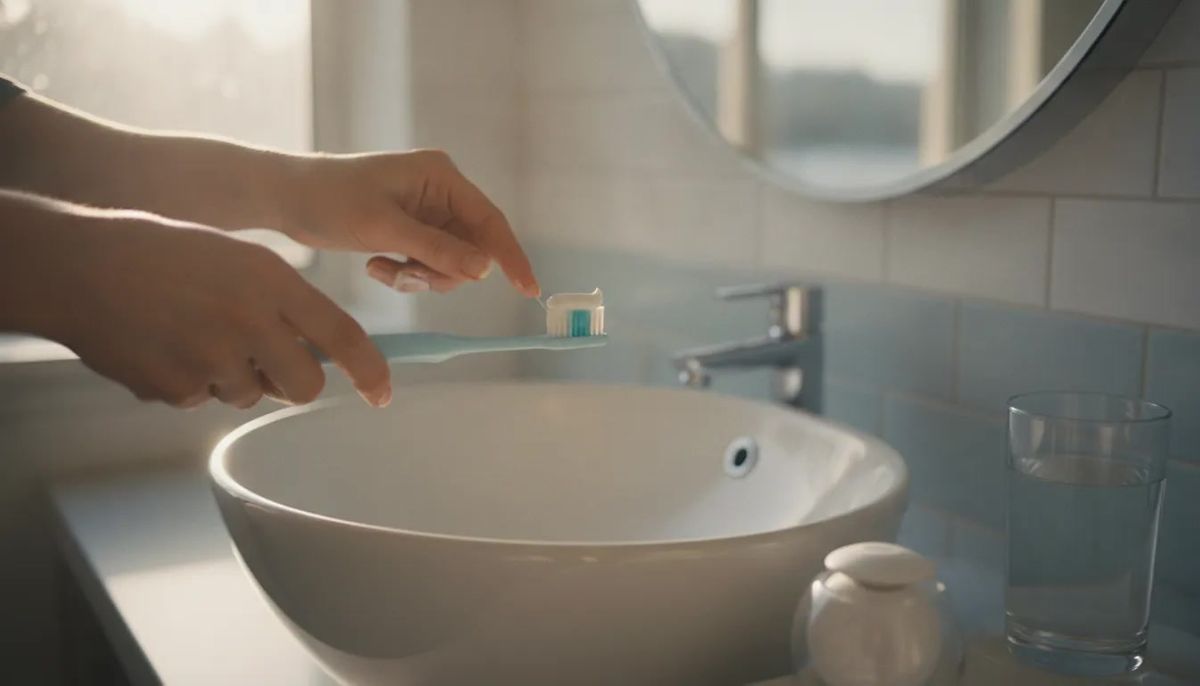
An oral hygiene routine for adults is the set of steps you repeat most days so plaque does not sit on your teeth long enough to harden. The National Institute of Dental and Craniofacial Research describes plaque as a sticky film of bacteria. Left in place, it can lead to cavities and to gums that look red, swell, or bleed. A useful routine is short, repeatable, and fitted to your mouth, not a long list you abandon by Thursday.
Book a preventive visit in Rancho Bernardo and we will confirm a time that fits your schedule. A request is not a confirmed appointment until the office calls you back.
At RB Family & Cosmetic Dentistry we see working adults, families, and retirees from one office at 16776 Bernardo Center Drive #105. Our general dentistry visits cover cleanings, exams, and sealants. Hygienist Ana and Dr. Nina Hashemi, a Rancho Bernardo native, build hygiene plans around what your exam actually shows. Home care and that visit do different jobs. You can disrupt soft plaque every day. Only a professional cleaning removes tartar once it has hardened.
What an oral hygiene routine for adults includes
Four pieces cover most healthy adults. Brush twice a day with a fluoride toothpaste. Clean between the teeth once a day. Clean the tongue. See a dentist on a schedule that matches your risk, not a guess you made years ago.
The American Dental Association's home-care guidance supports brushing twice a day with fluoride toothpaste for two minutes. NIDCR adds the between-teeth step and routine checkups. Fluoride is the part that helps protect enamel, the hard outer surface of the tooth. Brushing without it still moves food around. It does less to resist decay.
Order matters less than actually finishing the steps. Many people brush, then clean between the teeth, then brush the tongue, then rinse lightly. If floss keeps getting skipped at night, move it to after breakfast, when you are more likely to do it. A routine you complete beats a perfect sequence you quit.
| Step | How often | What it is for |
|---|---|---|
| Brush with fluoride toothpaste. | Two times a day, for two minutes. | This disrupts plaque on tooth surfaces and along the gumline. |
| Clean between teeth. | Once a day. | This reaches the contacts a brush usually misses. |
| Clean the tongue. | Once a day, often at night. | This reduces the film that contributes to bad breath. |
| Professional exam and cleaning. | On your personal recall, often about twice a year. | This removes tartar and checks for decay, gum changes, and oral lesions. |
That table is a starting pattern, not a prescription. Diabetes, dry mouth from medicines, gum disease, or a high cavity history can mean we want to see you more often. We decide that after we look, not from a blog.
Brush in the morning and again before bed
Use a soft-bristled brush and a pea-sized amount of fluoride toothpaste. Angle the bristles toward the gumline so they slip slightly under the edge of the gum. Move in small circles. Scrubbing hard back and forth does not clean better, and it can wear the gumline over time.
Cover the cheek side, the tongue side, and the chewing surface of every tooth. The inside of the lower front teeth and the back molars are the spots adults skip when they are rushing. Two minutes is long enough to reach them. A timer or an electric brush with a quadrant pacer helps if you always stop early.
Morning brushing clears the film that built up overnight. Night brushing matters more than people expect, because saliva flow drops while you sleep and acids sit longer. Brush before bed even when you are tired. If you eat or drink something acidic, wait a little while before brushing so you are not scrubbing softened enamel. Rinsing with water right after an acidic drink is the gentler first move.
Replace the brush or the electric head about every three months, or sooner if the bristles splay. A frayed brush does not reach the gumline well. If you have been sick, swap it then too.
Electric and manual brushes can both work when the technique is sound. Choose the one you will use for the full two minutes. If arthritis or a tremor makes a manual handle awkward, a brush with a wider grip is often easier than forcing a thin one. We can look at your current brush at a visit and tell you whether the bristles are doing the job.
Clean between teeth once a day
A toothbrush does not reliably slide through the contact where two teeth touch. That is where plaque stays, hardens into tartar, and irritates the gum. NIDCR notes that plaque-related gingivitis, the early stage with red or bleeding gums, can often improve when daily brushing and cleaning between the teeth actually happen. Tartar below the gumline does not brush off. That is a cleaning appointment, sometimes a deeper one if the gums have already pulled away.
String floss is still a solid default. Use a short span between your fingers, curve it into a C against one tooth, and slide it up and down rather than snapping it onto the gum. Then hug the neighboring tooth and repeat. Bleeding at the start usually means the gum is inflamed, not that you should stop. If bleeding continues after a week of gentle daily cleaning, tell us. Do not assume it is normal forever.
Other tools are fine when they fit the space between your teeth better than string does. Use the option you can repeat every day without skipping the back teeth:
Floss holders or picks help if you cannot reach the back teeth with both hands.
A floss threader gets under a bridge or a bonded retainer.
Interdental brushes fill wider gaps, including the black triangles that appear when gums recede.
A water flosser can help around bridges, implants, and braces when string floss is frustrating. It works best as a partner to brushing, not a replacement for all contact cleaning, unless we have told you otherwise for your mouth.
Pick one method and do it once a day. Switching tools every week makes it harder to notice whether your gums are calming down. If you wear Invisalign or another clear aligner, clean between the teeth before the trays go back in so you are not sealing food against enamel. The same idea applies with traditional braces: threaders or a water flosser keep the wires from becoming a reason to skip.
Tongue care, rinses, and what to skip
The tongue holds a coating of bacteria and debris, especially toward the back. Brushing it gently, or using a scraper from back to front, takes a few seconds and often helps with morning breath. Do not scrape so hard that the tongue is sore the next day. Once a day is enough for most adults.
A cosmetic mouthwash can leave a fresh taste. It does not replace brushing or cleaning between the teeth. If we recommend a fluoride rinse, it is usually because your cavity risk is higher, for example with dry mouth. Use it at a time when you will not eat or rinse it away immediately. An alcohol-heavy rinse can worsen dryness for some people, so mention a burning feeling rather than pushing through it.
A few habits undo otherwise careful brushing. Watch for these patterns, because they keep plaque or acid on the teeth between the times you clean:
Constant sipping of sweet or acidic drinks feeds bacteria all day. Water between meals is the simpler pattern.
Using whitening paste as your only toothpaste can be harsh if your teeth are already sensitive. Whitening is a separate conversation from daily care.
Oil pulling, charcoal powders, and hard "detox" scrubs are not a substitute for fluoride and contact cleaning. We would rather you spend those minutes on the steps above.
Skipping nights because you are tired trains the routine to fail on the days you need it most.
Food still matters. Crunchy vegetables and cheese are easier on teeth than frequent candy or soda, but no snack replaces the brush. If you want a brighter look after the routine is steady, we can talk about in-office Zoom! whitening, custom trays, or Opalescence to Go as a separate plan. Daily hygiene comes first so whitening is not sitting on plaque.
Adapt the routine for sensitivity or limited mobility
Sensitivity at the gumline usually means the root surface is exposed or the enamel there is thin. Switch to a soft brush, ease the pressure, and use a toothpaste made for sensitive teeth. Give that toothpaste a couple of weeks of twice-daily use before you decide it failed.
Do not scrub the sore spot harder. If cold water still stings after that trial, we should check for a cavity, a cracked tooth, or a receding gum rather than guessing from the drugstore aisle.
Dry mouth is common with many prescriptions, and it raises cavity risk because saliva is what normally buffers acids. Sip water, ask us whether a fluoride varnish or a home fluoride gel makes sense, and avoid letting mints with sugar sit in your cheek all afternoon. Tell us the medicine list at your visit so the plan matches the cause.
Limited hand strength, tremor, or shoulder pain should change the tools, not the goal. Try these adjustments, and keep the same twice-daily habit even on stiff mornings.
Slide a foam grip, bicycle handlebar tape, or a washcloth around a thin brush handle so you can hold it without a tight fist.
Use a floss holder or pre-threaded picks if pinching string is painful.
Sit at the sink, rest your elbow on the counter, and brush one quarter of the mouth at a time.
An electric brush with a two-minute timer reduces the fine motion you have to supply yourself.
If a caregiver helps, have them stand slightly to the side and use the same short strokes along the gumline, stopping if the gums blanch from pressure.
None of these changes the need for fluoride or for cleaning between teeth. They only make those steps possible on a day when your hands are not cooperating. Bring the tools you actually use to your next visit. It is easier for us to adjust a real setup than to recommend one we have not seen.
How home care connects to your dental visit
Home care keeps plaque soft. The visit is where we see what that care is missing. A first visit here includes an exam, X-rays, and intraoral photographs so you and the dentist can look at the same pictures while we talk through a plan. Later preventive visits add a professional cleaning, a periodontal check, and an oral cancer screening. Digital X-rays help us find decay between teeth that a mirror will not show.
Many adults do well with a cleaning about every six months. That is a common interval, not a promise that it is right for you. If gums bleed, pockets are deeper, or you are managing diabetes, we may suggest shorter recalls. If you are stable and your home routine is consistent, we will say so.
Our posted hours are Monday through Friday, 8 a.m. to 5 p.m. Staff confirm appointment times. A form or an online booking click is a request until someone confirms it. We do not offer overnight coverage.
Call us at the office number, (858) 485-0044, if a tooth hurts, a crown comes loose, or your gums swell. Those are reasons to be seen, not reasons to invent a harsher home routine. We serve Rancho Bernardo and nearby communities, including Poway, Scripps Ranch, Escondido, and Ramona, from this one office. There is no second location and no overnight clinic.
Sealants are another preventive option we use for children and for some adults with deep grooves that trap food. They are a coating in selected grooves, not a replacement for brushing. If a groove is already decayed, a sealant is the wrong tool and we will talk about a filling instead.
If a regular cleaning is no longer enough because tartar and inflammation sit below the gumline, the next step may be a deep dental cleaning rather than a longer bout of brushing. That is a different visit, planned after we measure the gums. Daily care still matters afterward, because the bacteria return within hours.
Call (858) 485-0044 to plan your next cleaning. Weekday calls reach the front office, and someone confirms the visit before it is on the schedule.
Frequently asked questions
What is a simple oral hygiene routine for adults?
Brush twice a day for two minutes with a soft brush and fluoride toothpaste, clean between the teeth once a day, and brush or scrape your tongue once a day. Add a dental visit on the interval we recommend after an exam. Anything beyond that, such as a special rinse, should solve a problem we have actually found.
Should I floss before or after I brush?
Either order works if you do both. Cleaning between the teeth first can let fluoride from the toothpaste reach those surfaces afterward. If the only way you remember floss is to do it after dinner, do it then. Consistency beats sequence.
Why do my gums bleed when I start flossing again?
Inflamed gums often bleed when plaque at the edge is disturbed. Gentle daily cleaning for several days usually calms that. Bleeding that continues, or bleeding with loose teeth or bad taste, should be checked. It can be an early sign that a regular cleaning is no longer the whole answer.
Can a water flosser replace string floss?
A water flosser helps many adults, especially around bridges, implants, and braces. It may not scrape the contact point the way floss or a small interdental brush does. If you want to switch, bring the device to a visit and we will look at the gums before you retire string floss completely.
How often should adults in Rancho Bernardo come in?
Twice a year is a common preventive rhythm, and it is not automatic. Your X-rays, gum measurements, cavity history, and health conditions decide the next date. Book through our appointment request or call the office during weekday hours and we will confirm a time that fits.